Need Help to Order the Tent You Need ? Contact the Factory Now : +86 139 0689 8163 (WhatsApp & Wechat Available )

Understanding Inflatable Tents
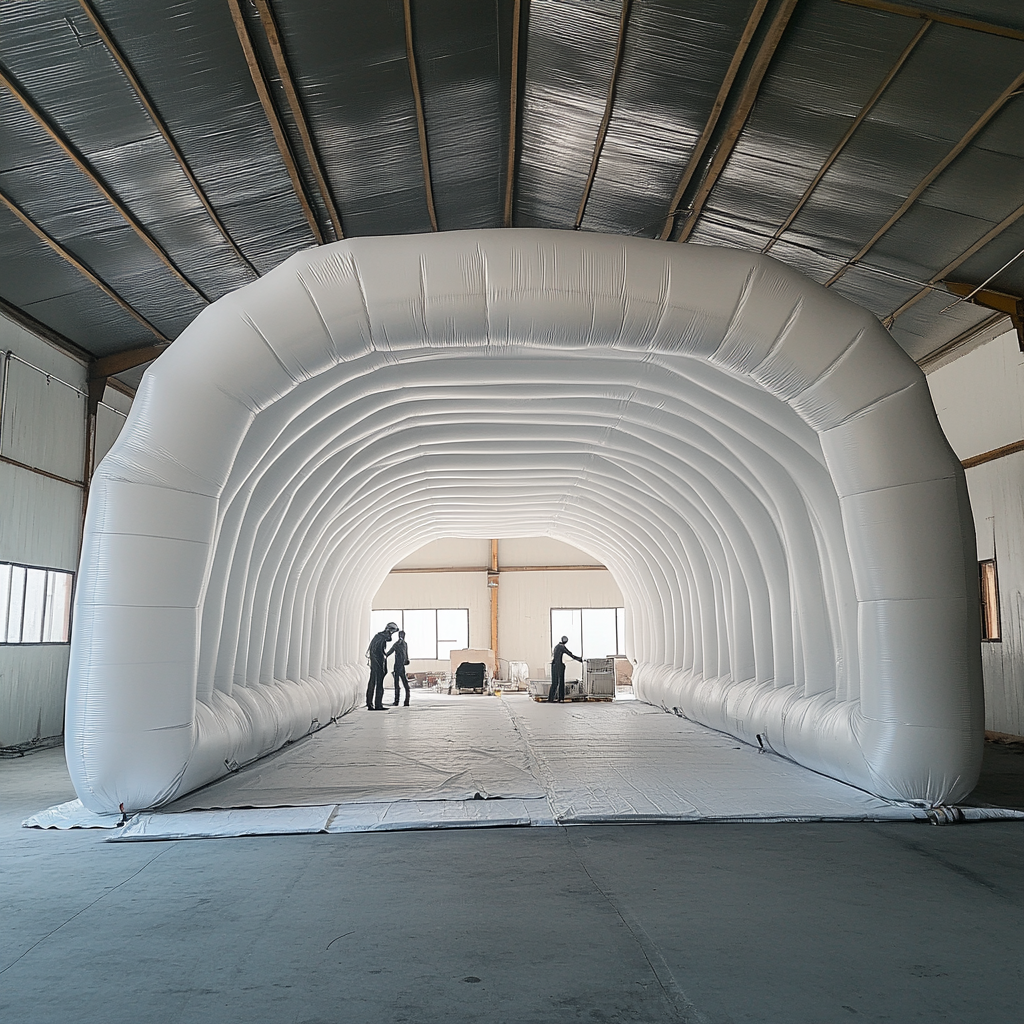
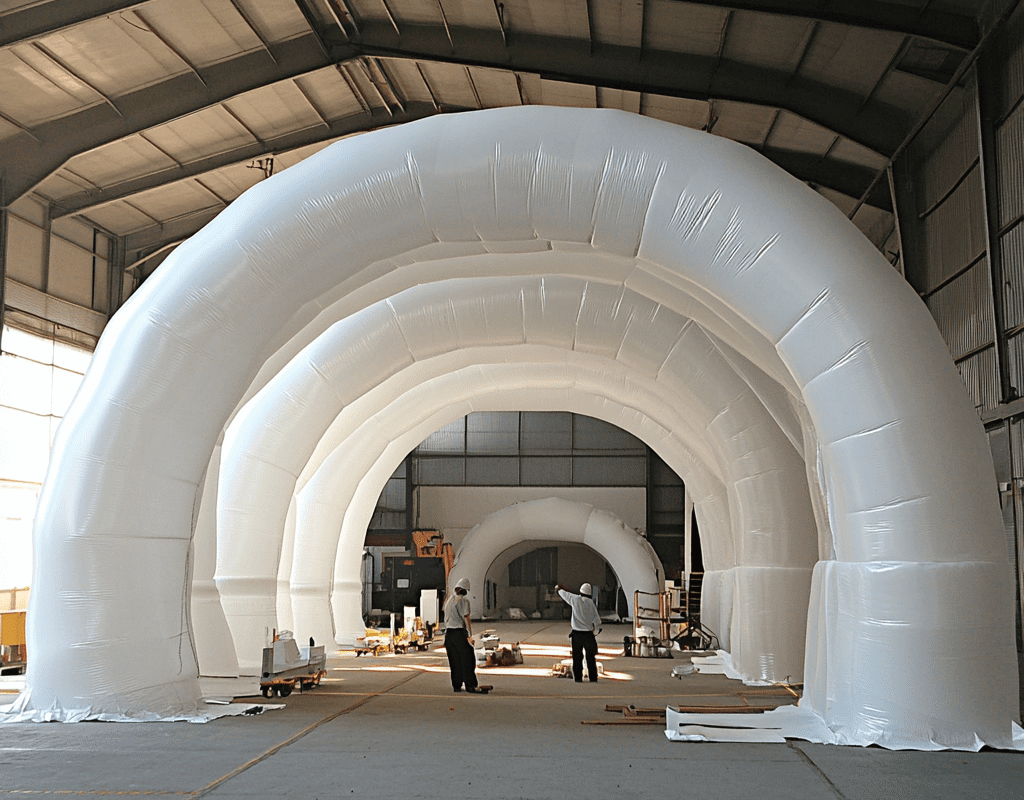
Inflatable tents have gained popularity for their easy setup and portability. Often used for camping, events, and festivals, these structures are innovative solutions to traditional tents. But how exactly are they produced? Let’s explore the manufacturing process of these unique shelters.
The Materials Used
The base material for inflatable tents typically consists of durable, weather-resistant fabrics such as polyester or nylon. These materials are chosen for their strength and lightweight properties. Manufacturers often treat these materials with waterproof coatings to ensure they withstand the elements. Additionally, high-frequency welding is employed to create airtight seams, critical for maintaining the inflatable structure.
The Production Process
The manufacturing process of inflatable tents begins with design and prototyping. Advanced software is used to create 3D models, which are then used to produce patterns. Once the patterns are ready, they are cut from the chosen fabric using precision cutting machines. After cutting, the panels undergo welding to ensure leak-proof connections. Finally, the tents are inflated to test for durability and any potential leaks.
Quality control is paramount in this process. Each tent is inspected for any defects before packaging. Once passed, the tents are packed efficiently to ensure they are ready for shipping to retailers or direct consumers. Understanding this production process can enhance our appreciation for inflatable tents and their benefits.